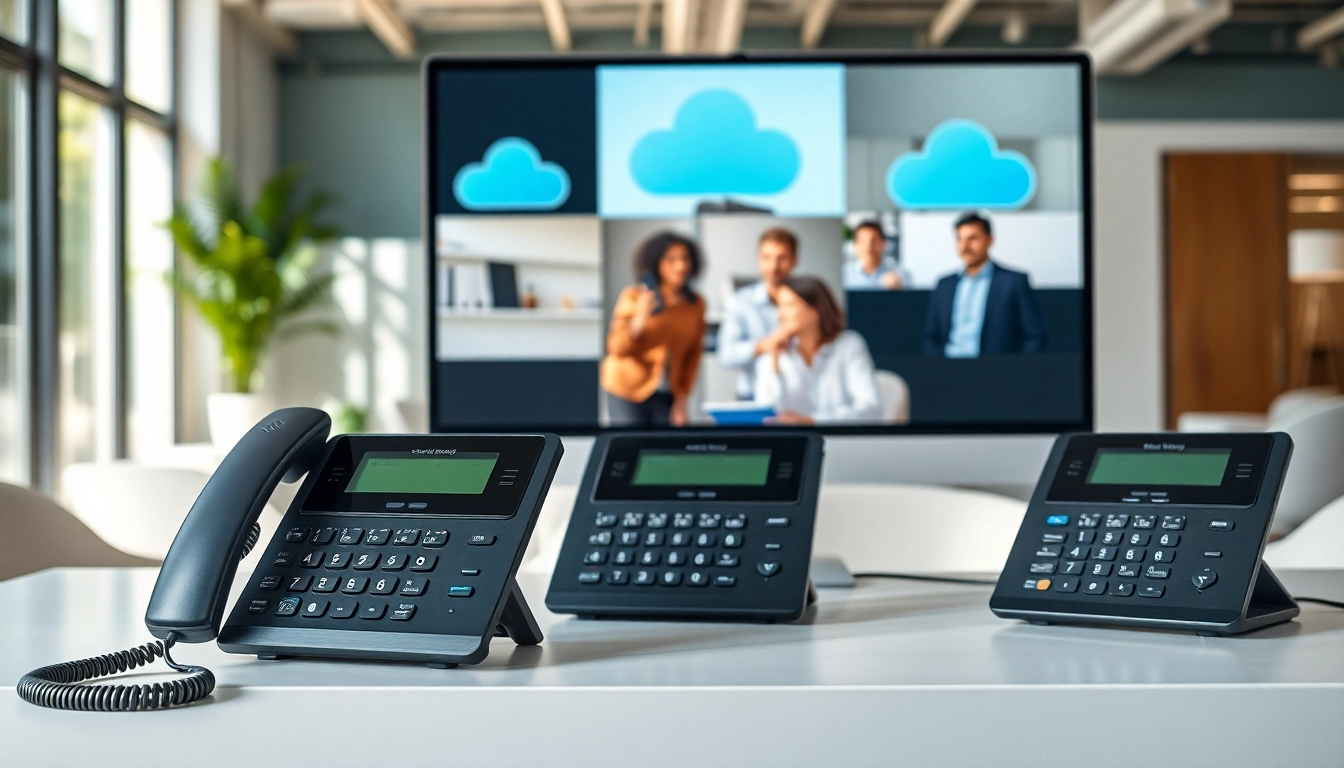
Understanding Cloud Based Phone System
What is a Cloud Based Phone System?
A cloud based phone system is a telecommunications solution that allows organizations to conduct voice calls and manage their communications entirely over the Internet. Rather than relying on traditional landline infrastructure, the system utilizes Voice over Internet Protocol (VoIP) technology to enable voice calls, video conferencing, messaging, and more, facilitating seamless communication from anywhere with Internet access. This innovative approach to telecommunication enables businesses to streamline operations and improve connectivity across teams and clients while reducing costs associated with traditional phone services.
Key Features of Cloud Based Phone Systems
Cloud based phone systems come equipped with a variety of features that cater to the diverse needs of modern businesses. Here are some key features:
- VoIP Calling: Enables voice calls through Internet, thus eliminating the need for traditional phone lines.
- Unified Communications: Integrates voice, video, messaging, and conferencing into one platform, simplifying communications.
- Auto Attendant: Provides a virtual receptionist feature that directs calls automatically to the correct department or person.
- Call Recording: Allows businesses to record calls for training or compliance purposes.
- Mobile Accessibility: Users can access the phone system via mobile apps, giving them the flexibility to work from anywhere.
- Advanced Analytics: Offers real-time data on call performance and customer interactions, aiding in performance improvements.
Common Use Cases for Cloud Based Phone Systems
Cloud based phone systems have become prevalent across various industries, thanks to their adaptability. Some common use cases include:
- Remote Work: Ideal for businesses with a remote workforce as it enables employees to connect from anywhere.
- Customer Support: Provides customer service representatives with tools for effective communication with clients.
- Sales Teams: Enables seamless communication and collaboration among sales representatives.
- Startups: Offers start-ups a cost-effective solution for establishing a professional communication setup.
Benefits of Adopting a Cloud Based Phone System
Cost Savings and Budget Efficiency
One of the most significant advantages of adopting a cloud based phone system is the potential for substantial cost savings. Traditional analog phones entail high installation costs, costly maintenance, and ongoing charges for hardware. In contrast, cloud-based solutions significantly reduce, if not eliminate, these expenses. Businesses can opt for subscription-based models, allowing them to better predict costs and reduce financial outlay, particularly for small and medium-sized enterprises.
Scalability for Growing Businesses
As businesses grow, their telecommunications needs may evolve. A cloud based phone system provides the scalability required to accommodate growth without physical limitations. Adding new lines, users, or features can often be achieved through a few clicks without the need for extensive infrastructure changes or new equipment purchases, allowing businesses to adapt quickly to changes in demand.
Improved Remote Communication Capabilities
With the increase in remote and hybrid work environments, effective communication tools are paramount. Cloud based phone systems facilitate video conferencing, team messaging, and collaboration tools, connecting employees regardless of their physical location. This integration ensures that teams can communicate, share information, and maintain productivity, effectively supporting the modern workforce’s needs.
How to Choose the Right Cloud Based Phone System
Identifying Business Needs
Before selecting a cloud based phone system, businesses must clearly identify their specific communication needs. Considerations should include the size of the workforce, required features, and budget limitations. Conducting a comprehensive analysis of existing communication workflows can help pinpoint necessary features, leading to more informed purchasing decisions.
Evaluating Service Providers
Not all cloud based phone systems are created equal, and evaluating service providers is crucial. Look for a provider with a strong reputation, solid customer support, and experience in your industry. It’s vital to review testimonials, case studies, and service level agreements (SLAs) to ensure that the chosen provider can meet your organization’s needs.
Comparing Features and Pricing
When comparing different cloud based phone systems, create a checklist of essential features aligned with your business requirements. Evaluate pricing models, considering both upfront and recurring costs. Different providers can offer varying feature sets; ensure you choose a solution that balances value with your specific needs without overspending on unneeded capabilities.
Implementation Steps for Cloud Based Phone Systems
Preparing Your Infrastructure
Implementing a cloud based phone system requires adequate preparation of your existing infrastructure. Ensure robust and reliable Internet connectivity since VoIP relies on it for quality voice transmission. It may also be advantageous to upgrade networking equipment such as routers and switches to support increased bandwidth needs as part of the transition.
Training Your Team
Once the cloud based system is in place, providing thorough training is crucial for successful adoption. Develop training programs that cover the new system’s features, best practices for use, and troubleshooting steps. Engaging employees early on will foster confidence in using the new technology and promote a smoother transition.
Launching Your Cloud Based Phone System
Once infrastructure is prepared and employees are trained, it’s time to launch the cloud based phone system. It’s advisable to implement the system in phases, if possible, to mitigate disruptions. Monitor performance closely during the switch, addressing any issues promptly to ensure that both employees and customers experience minimal service interruptions.
Measuring Success with Cloud Based Phone System
Monitoring Key Performance Indicators
After implementation, measure the cloud based phone system’s effectiveness through Key Performance Indicators (KPIs). Metrics such as call quality, call volume, and the average response time can provide insights into communication efficiency and help gauge user satisfaction.
Collecting User Feedback
User feedback is invaluable in assessing the success of the cloud based phone system. Implement regular check-ins and surveys to gather input from employees. They can provide insights into usability, features needed, and overall satisfaction, which can inform further system adjustments and training.
Making Continuous Improvements
Successful implementation of a cloud based phone system is not the end; continuous improvement should be a priority. Regularly review performance data and feedback for opportunities to implement enhancements, ensuring the system evolves with your organization and remains effective in meeting changing needs.
FAQs
What is the main advantage of a cloud based phone system?
The primary advantage is cost savings, as it eliminates the need for costly hardware and infrastructure while offering flexible subscription models.
Can I use a cloud based phone system for remote workers?
Yes, cloud based phone systems are specifically designed to support remote work, allowing employees to connect from any location with Internet access.
How easy is it to add new users to a cloud based phone system?
Adding new users is typically straightforward and can be done through the service provider’s online interface without needing complex installations.
What happens if my Internet connection goes down?
If your Internet connection fails, the cloud based phone system will also be affected, so a reliable backup connection is essential to ensure service continuity.
Are cloud based phone systems secure?
Most providers implement advanced security measures, including encryption and regular updates. Businesses should also take steps to enhance security protocols as necessary.
Contact Information
Customer Service Email: [email protected]
Mobile Sales Email: [email protected]
Support Email: [email protected]
Call us: 0333 015 2615
Head Office: Fareham Innovation Centre, Merlin House, 4 Meteor Way, Fareham, Lee-on-the-Solent, PO13 9FU.
London Address: 124 City Road, London, EC1V 2NX
Manchester Address: Bartle House, Oxford Court, Manchester, M2 3WQ