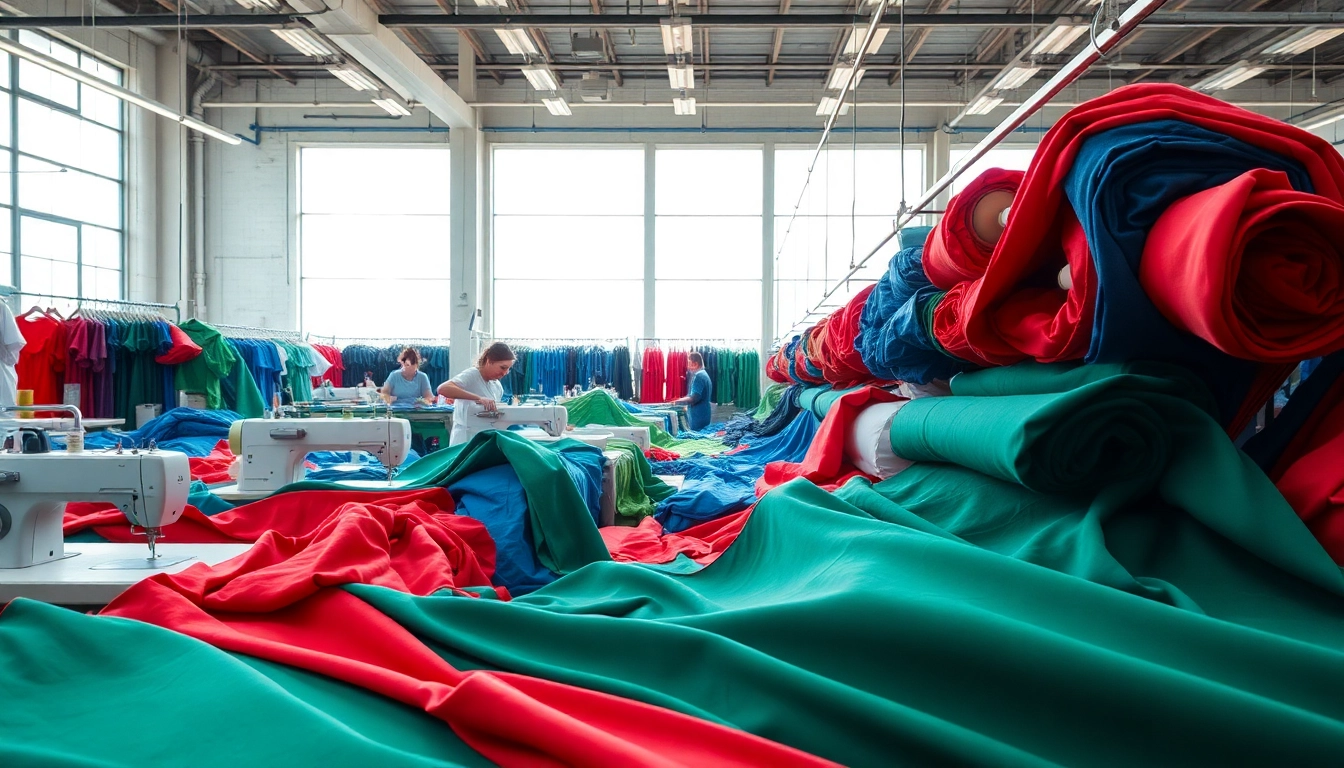
Understanding Manufacturing Clothing in China
Overview of the Clothing Manufacturing Process
The clothing manufacturing process can be intricate, involving several distinct stages. It begins with design conceptualization, where designers create sketches and select materials that encapsulate the desired essence of the clothing line. Once designs are finalized, fabric sources are selected from various suppliers, which is crucial for achieving the specific attributes like texture, color, and durability.
After securing fabric, the next stage is to create prototypes, which involve stitching initial samples to visualize how the clothing fits and moves. This stage allows for testing and adjustments without incurring large costs. Once approved, the manufacturing phase commences, where skilled laborers and machinery come together to mass-produce the clothing while ensuring quality and adherence to brand standards.
The final phases include quality control inspections, packaging, and logistics for shipping the products to clients. Throughout these stages, effective communication with manufacturers is paramount to deliver the product on time and to the client’s satisfaction, thereby underlining the importance of choosing the right partners in the Manufacturing Clothing in China.
The Benefits of Manufacturing Clothing in China
China is recognized as a global hub for clothing manufacturing, providing unprecedented advantages for businesses. One primary benefit is cost efficiency; labor costs in China, while rising, still remain lower than many other countries, which helps brands maximize profit margins without compromising on quality.
Another important aspect is the vast array of manufacturing capabilities. China not only boasts a well-developed manufacturing infrastructure but also has access to a wide variety of materials and production expertise. This range allows businesses to produce everything from high-end fashion to basic apparel under one roof.
Speed to market is yet another advantage offered by Chinese manufacturers. With a vast supply chain at their disposal, businesses can respond swiftly to market demands and consumer trends, thus gaining a competitive edge. Additionally, many manufacturers in China are experienced in dealing with international shipping and customs, easing the logistical burden on companies.
Key Players in the Chinese Manufacturing Industry
Several key players in China’s clothing manufacturing landscape shape how businesses operate within the industry. These include both domestic manufacturers and foreign companies that have established production facilities in the region. Notably, many manufacturers specialize in certain categories like sportswear, luxury clothing, or children’s attire, thus offering targeted expertise to brands.
Furthermore, the emergence of newer technology-driven manufacturers has transformed the landscape. Facilities equipped with advanced machinery can automate various processes, enhancing productivity and consistency in quality. Engaging with manufacturers who invest in modern technology often translates to innovative designs and rapid turnarounds for brands.
Choosing the Right Manufacturing Partner
What to Look for in a Manufacturing Partner
Selecting the right manufacturing partner is crucial. One must consider factors such as experience, reputation, and specialization within the desired sector. Reviewing past projects and customer testimonials can provide insights into a manufacturer’s reliability and work quality.
Additionally, clear communication is essential. A manufacturer should be able to articulate their processes and timelines thoroughly, showing readiness to adapt to specific needs or concerns. It’s also advisable to assess their experience with international brands, as this can signify familiarity with the complexities of global trade.
Evaluating Manufacturer Capabilities
To ensure a successful partnership, evaluating the manufacturer’s capabilities is imperative. This evaluation includes assessing their production capacity, which is crucial for meeting order demands. Moreover, analyzing their quality control measures can help ascertain that the final product meets high standards.
Potential partners should provide samples that reflect their workmanship and material quality. This firsthand assessment enables brands to gauge whether the manufacturer can produce the clothing items up to their own specifications. Furthermore, it can be beneficial to visit the manufacturing facilities if feasible, as this allows for an in-depth understanding of the operational environment.
Building a Strong Collaboration
Once a manufacturing partner is selected, the next step is fostering a strong relationship. This involves open lines of communication, regular updates, and a commitment to mutual goals. Establishing clear timelines and expectations upfront can help eliminate misunderstandings later on.
Creating an environment of collaboration may also include joint problem-solving discussions when obstacles arise. Regular feedback loops will ensure that adjustments can be made in real time, thus enhancing product quality and delivery timelines.
Quality Control Measures for Manufacturing Clothing in China
Importance of Quality Assurance
Quality assurance is vital in the clothing manufacturing process, as it directly impacts brand reputation and customer satisfaction. Clothing must be durable, comfortable, and visually appealing; failure to meet these standards can result in costly returns and damage to a brand’s image.
Implementing quality assurance from the outset can significantly reduce these risks. It involves comprehensively defining quality benchmarks and ensuring all parties understand and commit to maintaining these standards throughout production.
Implementing Quality Control Protocols
Establishing and adhering to rigorous quality control protocols can mitigate risks associated with manufacturing. This includes developing a detailed inspection checklist covering fabric quality, stitching precision, and finish details. Having checkpoints throughout the manufacturing process—such as during sampling or pre-shipping—ensures that any deviations are caught early.
Incorporating technology can enhance quality control, such as utilizing software for tracking production stats and quality metrics, which can provide crucial insights into potential areas for improvement.
Addressing Common Quality Issues
Common quality issues in clothing manufacturing can include inconsistencies in size, color mismatches, and poor stitching. Identifying root causes, such as supplier material variability or lack of worker training, is essential in addressing these issues.
Regular training programs for workers and consistent communication with suppliers can reduce the occurrence of these problems. Implementing a robust feedback loop ensures that lessons learned from any quality issues are documented and addressed in future productions.
Cost Factors in Manufacturing Clothing in China
Understanding Labor Costs
Labor costs in China have been on a gradual rise, but they still remain competitive globally. Understanding the structure of these costs is critical for businesses, as they vary by region, skill level, and manufacturing complexity.
While seeking to minimize costs, it remains essential to balance the quality of labor with price. A lower wage may lead to hiring unskilled workers, negatively impacting the end product. Thus, brands should consider the overall value rather than just the wage rate.
Material Sourcing and Pricing
The cost of materials is a substantial factor in the overall expenses incurred during clothing manufacturing. Prices fluctuate based on global supply chain dynamics, local sourcing ethics, and economic conditions.
It’s advantageous for brands to establish relationships with multiple suppliers to ensure competitive pricing and quality. This diversity allows for negotiation and flexibility should any issues arise with a single source.
Shipping and Logistics Considerations
Shipping and logistics play a critical role in the cost structure of manufacturing. Factors such as the mode of transportation, distance to markets, and import tariffs can significantly influence total costs. Efficient logistics management can help streamline these processes and reduce costs.
Brands need to work closely with logistics partners to evaluate the best shipping options for their products while considering speed, reliability, and expense. Utilizing technology can improve tracking throughout the shipping process, ensuring transparency and accountability.
Future Trends in Clothing Manufacturing
Technological Advances in Manufacturing
The clothing manufacturing sector is undergoing rapid technological advancement, from automation to data analytics. These technologies streamline production processes, enhance accuracy and reduce waste. Factories employing robotics can achieve high efficiency, enabling them to respond faster to market changes.
Furthermore, advancements such as 3D knitting and digital textile printing offer novel ways to create clothing that could revolutionize traditional methods, reducing lead times and allowing for on-demand manufacturing.
Shift Towards Sustainable Practices
The growing demand for sustainability is prompting manufacturers to adopt eco-friendly practices. This shift extends from raw material sourcing—such as organic cotton and recycled fibers—to sustainable production methods that minimize water usage and waste.
Brands that prioritize sustainable manufacturing not only reduce their environmental impact but also attract a consumer base that increasingly values ethical practices. Transparency in sourcing can enhance brand loyalty and market position.
Market Demand Evolution for Clothing
Market demand in clothing manufacturing is evolving rapidly, influenced by changing consumer behaviors and preferences. The rise of e-commerce necessitates that manufacturers adapt to faster production cycles and more personalized products.
Moreover, brands must stay attuned to trends like athleisure and the fluctuation of seasons. Being agile and adaptable in production capabilities will enable brands to meet these changing demands effectively.
Frequently Asked Questions
What are the main advantages of manufacturing clothing in China?
The main advantages include lower labor costs, access to a supply of materials, manufacturing expertise, and faster production times, offering brands a competitive edge.
How does quality control work in clothing manufacturing?
Quality control involves setting standards, performing inspections at various stages, and ensuring materials and finished products meet specified criteria throughout the production process.
What factors affect costs in clothing manufacturing?
Key cost factors include labor expenses, material prices, shipping, and logistics, as well as any tariffs or duties that may apply to international shipments.
Why is sustainability important in clothing manufacturing?
Sustainability is crucial as it influences consumer choice, reduces environmental impact, and can enhance a brand’s reputation, leading to increased customer loyalty.
What trends are shaping the future of clothing manufacturing?
Trends include advances in technology, a shift towards sustainability, and evolving consumer demands for personalization and faster production cycles affecting manufacturing strategies.