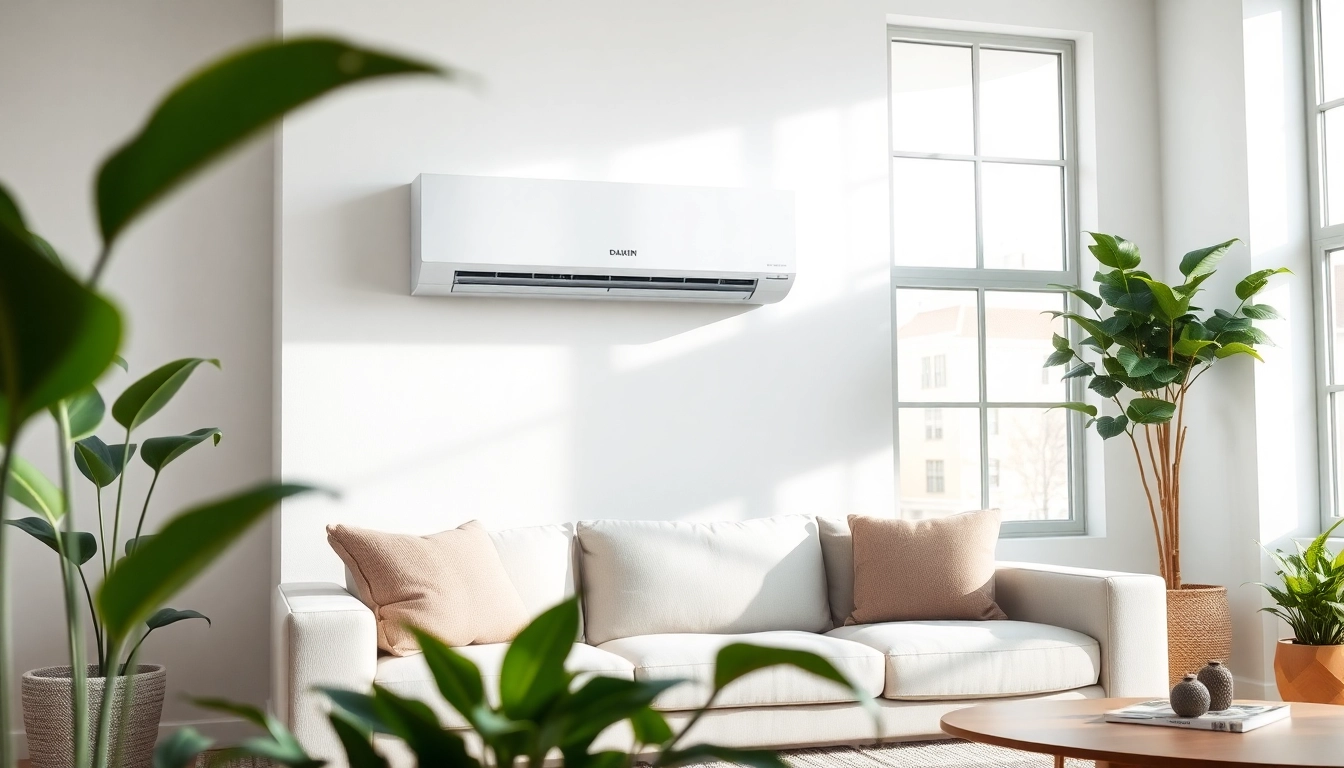
Understanding the Daikin Mini Split AC System
What is a Mini Split AC?
A mini split AC system is a type of heating and cooling system that offers both flexibility and efficiency, providing an ideal solution for diverse domestic and commercial settings. Unlike traditional air conditioning units, mini splits operate without ductwork, relying on two primary components: an indoor unit and an outdoor unit. This configuration allows for independent temperature control, enabling users to customize comfort levels in different rooms. According to recent studies, mini split systems can reduce energy consumption by up to 30% compared to conventional systems, making them a favored choice among environmentally conscious consumers.
Components of Daikin Mini Split AC
The Daikin mini split AC comprises several key components, each contributing to its exceptional performance. The main components include:
- Indoor Unit: This is where the cool air is delivered to the space. It can be mounted on walls, ceilings, or floors, depending on the room’s layout.
- Outdoor Unit: Located outside the building, this unit houses the compressor and condenser coils that regulate the refrigerant cycle, transferring heat outside.
- Remote Control: The Daikin mini split AC often includes a remote to adjust settings conveniently from anywhere in the room.
- Refrigerant Lines: These insulated lines carry refrigerant between the indoor and outdoor units, ensuring efficiency and optimal cooling or heating.
Benefits of Using Daikin Mini Split AC
Investing in a Daikin mini split AC system offers a range of advantages:
- Energy Efficiency: With technologies such as inverter-driven compressors, these systems adapt their operation to match demand, leading to substantial energy savings.
- Space Saving: The absence of ductwork allows for more flexible installation options, making them suitable for a variety of residential or commercial spaces.
- Quiet Operation: Daikin units are designed to operate quietly, ensuring comfort without disruptive noise levels.
- Improved Air Quality: Advanced filtration options capture allergens and pollutants, providing a healthier atmosphere indoors.
Key Features of the Daikin Mini Split AC
Energy Efficiency Ratings
The Daikin mini split AC is recognized for its excellent energy efficiency ratings. The SEER (Seasonal Energy Efficiency Ratio) ratings often exceed the minimum requirements set by the Department of Energy. This means that when you’re considering a daikin mini split ac, you can expect reduced energy bills and a smaller carbon footprint each month.
Noise Levels and Operation
One of the standout features of the Daikin mini split systems is their ultra-quiet operation. With noise levels as low as 19 dBA, these air conditioners are designed to provide comfort without compromise. This is particularly important for bedrooms and quiet workspace environments where distractions must be minimized.
Smart Technology Integration
Many Daikin mini split models come equipped with smart technology features, enabling users to control their systems remotely via smartphone applications. This feature provides not only convenience but also the ability to monitor energy consumption and adjust settings for optimal efficiency.
Installation Process for Daikin Mini Split AC
Preparing Your Space for Installation
Preparation is crucial for the successful installation of a Daikin mini split AC system. Begin by choosing an appropriate space that allows for effective layout and access to electrical connections. Ensure that there’s sufficient wall support for the indoor unit and clear paths for the refrigerant piping. It’s also important to consider airflow and avoid blocking the unit’s ventilation.
Steps to Install the Unit
The installation of a Daikin mini split AC generally involves the following steps:
- Mount the Indoor Unit: Secure the unit on the wall using appropriate brackets and ensure it is level.
- Install the Outdoor Unit: Place the outdoor condenser unit on a stable base that can handle its weight.
- Connect Refrigerant Lines: Carefully connect the insulated refrigerant lines between the indoor and outdoor units, ensuring there are no leaks.
- Electrical Connections: Connect the units to the power source as per manufacturer specifications.
- Test the System: After installation, conduct tests to check for functionality and efficiency.
Post-Installation Tips
After installation, it’s essential to schedule a professional inspection. This will help confirm that the system is running optimally and that all connections are secure. Further, familiarize yourself with the system’s remote control settings for effective use.
Comparing Daikin Mini Split AC with Other Systems
Pros and Cons of Mini Split Systems
When evaluating a Daikin mini split AC system against other types, advantages and disadvantages come into play:
- Pros: High energy efficiency, ease of installation, flexibility in zoning control, and minimal visual impact.
- Cons: Higher upfront costs compared to conventional systems and requirement for routine maintenance on multiple units.
How Daikin Stands Out
Daikin’s reputation in the HVAC industry is backed by its commitment to innovation, superior performance, and exemplary customer service. The brand’s robust warranty programs combined with advanced technology ensures that consumers opt for a reliable cooling and heating solution.
Cost Considerations
Investing in a Daikin mini split AC system typically entails higher initial costs due to the advanced technology and multiple components. However, the long-term savings from lower energy consumption and fewer repair bills can balance the investment over time. Potential buyers should explore various financing options and utility rebates to maximize savings.
Maintenance and Troubleshooting for Daikin Mini Split AC
Regular Maintenance Checklist
Performing regular maintenance is essential to ensure the longevity and efficiency of your Daikin mini split AC. A routine maintenance checklist should include:
- Cleaning or replacing air filters monthly.
- Inspecting and cleaning indoor and outdoor coils.
- Checking for refrigerant leaks.
- Ensuring that the drainage lines are clear.
- Scheduling professional maintenance at least once a year.
Troubleshooting Common Issues
During the operation of a Daikin mini split AC, users may encounter common issues such as inadequate cooling or unusual noises. Potential troubleshooting tips include:
- Ensure that the filters are clean and not blocked.
- Check that the outdoor unit is free from debris.
- Verify that the remote control batteries are functioning.
When to Call a Professional
While some maintenance tasks can be handled by homeowners, certain issues warrant professional help. If you notice persistent temperature fluctuations, unusual sounds, or leakage of refrigerant, it is advisable to consult a certified technician to ensure that the system is serviced correctly.
FAQs
1. What is the lifespan of a Daikin mini split AC?
The average lifespan of a Daikin mini split AC is approximately 15 to 20 years, depending on usage and maintenance.
2. How often should I clean my mini split AC filters?
It is recommended to clean or replace mini split filters every month for optimal performance and air quality.
3. Can I install a Daikin mini split myself?
While DIY installation is possible, it is advisable to hire a professional to ensure proper setup and compliance with local codes.
4. Do mini splits require a lot of maintenance?
Mini splits require regular cleaning and maintenance, but overall, they are relatively easy to maintain compared to traditional HVAC systems.
5. Are Daikin mini split systems energy efficient?
Yes, Daikin mini split systems are highly energy efficient, often rated above industry standards, leading to lower electricity bills.