
Understanding the Concept of Fair Play
In the realm of sports and competition, the term "fair play" embodies a set of principles that promote ethical behavior and integrity among athletes, teams, and coaches. It transcends simple rules of conduct and encapsulates the spirit of friendly competition and respect for opponents. The foundation of fair play not only benefits the athletes but also enriches the entire sporting community by fostering an environment of trust, respect, and enjoyment. When exploring options, Fair play provides comprehensive insights into how these principles guide interactions within various sports.
What Is Fair Play in Sports?
Fair play in sports refers to the practice of adhering to the rules of the game while also respecting the spirit behind those rules. This involves accepting decisions made by referees, treating opponents with respect, and demonstrating integrity in all actions. Athletes who exhibit fair play embrace the idea that competition is not merely about winning but also about personal growth and mutual respect.
The History and Evolution of Fair Play
The concept of fair play can be traced back to the ancient Olympic Games in Greece, where competitors were expected to abide by specific ethical standards. Over time, as sports evolved and became more formalized, the principles of fair play were codified into official rules and guidelines. Today, organizations like the International Fair Play Committee and various sports federations advocate for fair play and its implementation across all levels of competition.
Importance of Fair Play in Competitive Environments
Fair play is crucial for maintaining the integrity of sports. It ensures that competitions are held on a level playing field, where skill and determination are the primary factors determining success. Furthermore, fair play contributes to a positive atmosphere, encourages teamwork, and promotes lifelong values such as honesty, responsibility, and resilience. In youth sports, these principles can shape the character of young athletes, ultimately impacting their lives beyond the playing field.
Benefits of Promoting Fair Play
Enhancing Sportsmanship Among Athletes
One of the primary benefits of promoting fair play is the enhancement of sportsmanship among athletes. When competitors embrace fair play, they recognize the importance of supporting each other, regardless of the competition's outcome. This fosters camaraderie and mutual respect, which are essential qualities in any sporting environment.
Building Trust and Respect in the Community
Fair play extends beyond the individual athlete; it plays a significant role in building trust and respect within the wider community. When games are conducted with integrity, spectators, parents, and other community members develop confidence in the fairness of competitions. This, in turn, contributes to a healthier sporting culture where everyone feels valued and included.
Long-term Positive Impact on Youth Development
For young athletes, the lessons of fair play can have a profound and lasting impact. By learning to value sportsmanship, respect for opponents, and adherence to rules, children develop important life skills that are essential for personal and social growth. These skills can lead to positive behaviors both on and off the field, shaping them into well-rounded individuals.
Challenges to Achieving Fair Play
Common Misconceptions About Fair Play
Despite its importance, there are several misconceptions about fair play that can hinder its widespread adoption. For instance, some believe that being competitive is at odds with fair play, while in reality, the two can coexist harmoniously. Understanding what fair play truly means—embracing competition while respecting rules and opponents—is vital for changing these perceptions.
Identifying Barriers to Fair Competition
Numerous barriers can impede the practice of fair play, including pressure to win at any cost, lack of education on the principles of fair play, and negative role models within the sporting community. Recognizing these challenges is the first step towards implementing effective strategies to overcome them.
Strategies for Overcoming Obstacles
To effectively promote fair play, organizations and coaches must actively engage in educating athletes about its importance. Implementing workshops, seminars, and clear communications on expectations surrounding fair play can help mitigate barriers. Additionally, creating a culture that rewards not only winning but also good sportsmanship can encourage athletes to prioritize fair play.
Best Practices for Implementing Fair Play
Creating Guidelines and Policies for Fair Practices
Establishing clear guidelines and policies that promote fair play is essential for all competitive environments. By creating a code of conduct for athletes, coaches, and officials, organizations can set the standards for expected behavior during competitions. These guidelines should be communicated regularly to ensure accountability among participants.
Training Coaches and Athletes on Fair Play Principles
Training sessions focused on fair play principles can equip both coaches and athletes with the necessary skills to model and promote these values. Workshops that include role-playing scenarios, discussions, and real-life examples can help reinforce the significance of fair play in daily interactions within sports.
Real-World Examples of Successful Fair Play Initiatives
Many organizations have implemented successful initiatives to promote fair play. For example, some youth sports leagues have adopted a “Fair Play Award” that recognizes teams and individuals who exemplify good sportsmanship. These initiatives serve as both a motivator and a reminder of the core values of competition, encouraging others to follow suit.
Future Trends in Fair Play for 2026 and Beyond
Emerging Technologies Supporting Fair Play
As technology continues to evolve, its role in promoting fair play becomes increasingly significant. Innovations such as video assistant referees (VAR) and wearable technology can help ensure that competitions are conducted fairly. These tools can reduce the likelihood of human error and increase accountability among all participants.
Predictions on Sportsmanship and Ethics in Sports
Looking towards 2026 and beyond, we can expect increased emphasis on sportsmanship and ethical behavior within all competitive formats. The continuing integration of fair play into sports education curriculums is likely to result in a new generation that prioritizes integrity alongside competitiveness.
Engaging Communities in Fair Play Movements
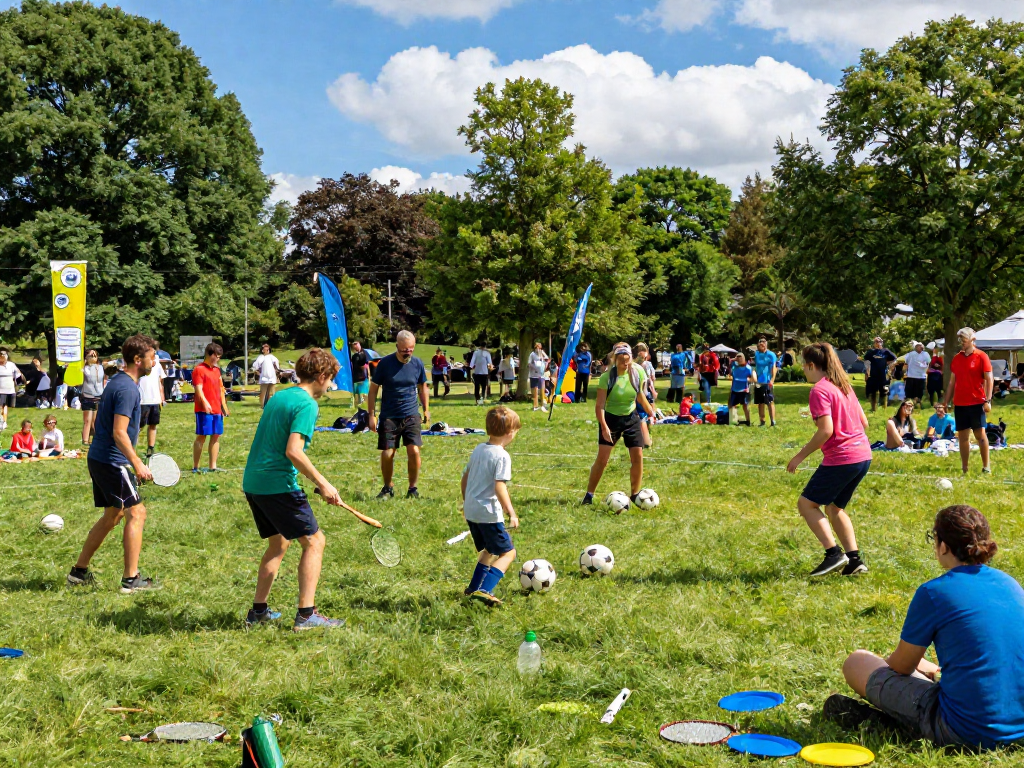
Community engagement will be crucial for advancing fair play initiatives. By collaborating with schools, local organizations, and professional sports teams, leagues can create campaigns that emphasize the importance of fair play in everyone's lives. Events such as community sports days, exhibitions, and workshops can foster a spirit of cooperation and mutual respect.
What are the key principles of fair play?
The key principles of fair play include respect for opponents, adherence to game rules, and the promotion of sportsmanship. These values help create a positive competitive environment where all participants can thrive.
How can coaches promote fair play among athletes?
Coaches can promote fair play by modeling respectful behavior, incorporating fair play discussions into training sessions, and emphasizing the importance of integrity both on and off the field.
What are the consequences of not adhering to fair play?
Failing to adhere to fair play can result in penalties for teams and individuals, damage to reputations, and a negative influence on young athletes. It can also erode trust in the sport itself, leading to a toxic competitive environment.
How does fair play influence youth sports development?
Fair play influences youth sports development by instilling essential life skills such as teamwork, respect, and resilience. For more information, FairPlay offers valuable insights. These skills not only enhance athletic performance but also support personal growth and development.
What role does technology play in enhancing fair play?
Technology plays a pivotal role in enhancing fair play by providing tools that increase accountability and transparency. Innovations like instant replay and real-time analytics help ensure that competitions are fair and that rules are enforced consistently.