Understanding PPF Winter Road Salt Protection
What is PPF?
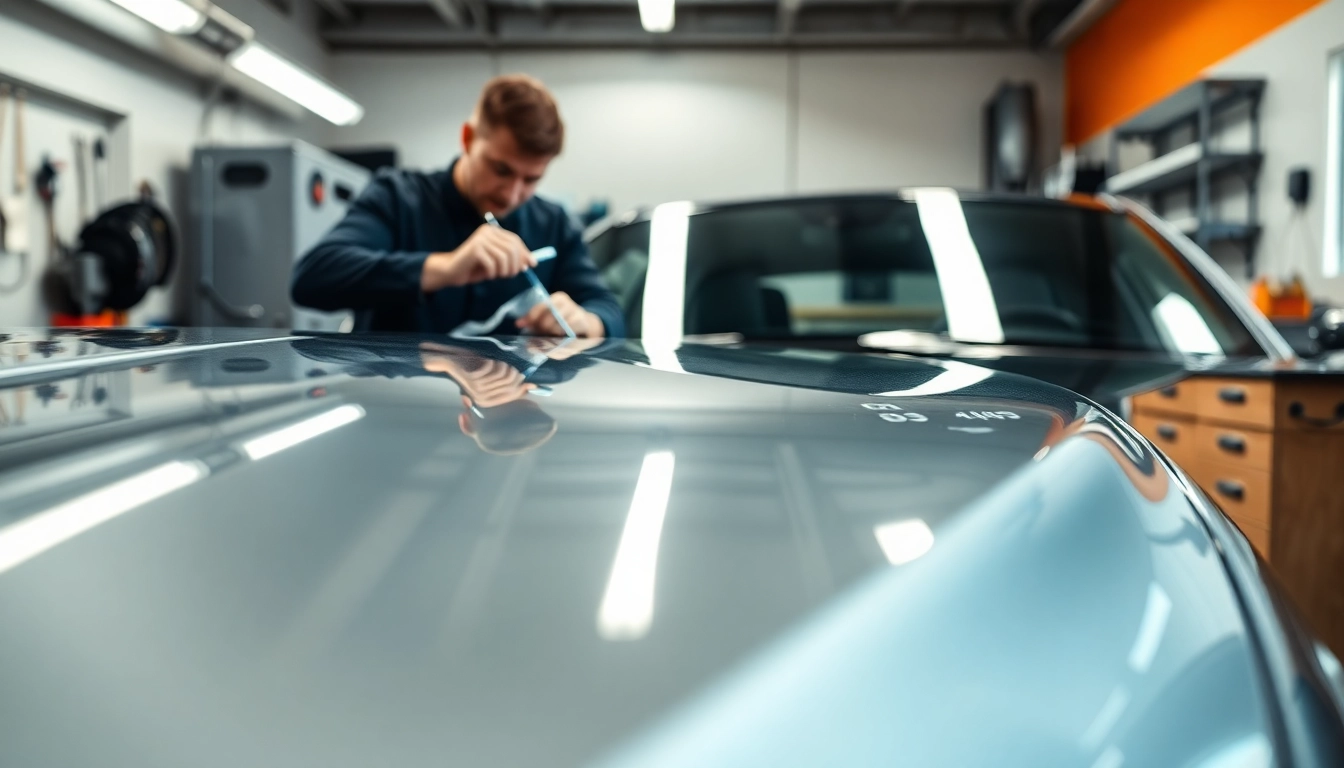
Paint Protection Film (PPF) is a transparent layer that is applied to the exterior of vehicles to shield the paintwork from damage. It is made from a durable, flexible urethane material, allowing it to absorb impacts from debris, scratches from branches, and the wear and tear caused by everyday driving. In addition to physical protection, PPF offers a barrier against road contaminants, including winter road salt, which can be particularly damaging to vehicle surfaces during colder months.
Importance of Winter Protection
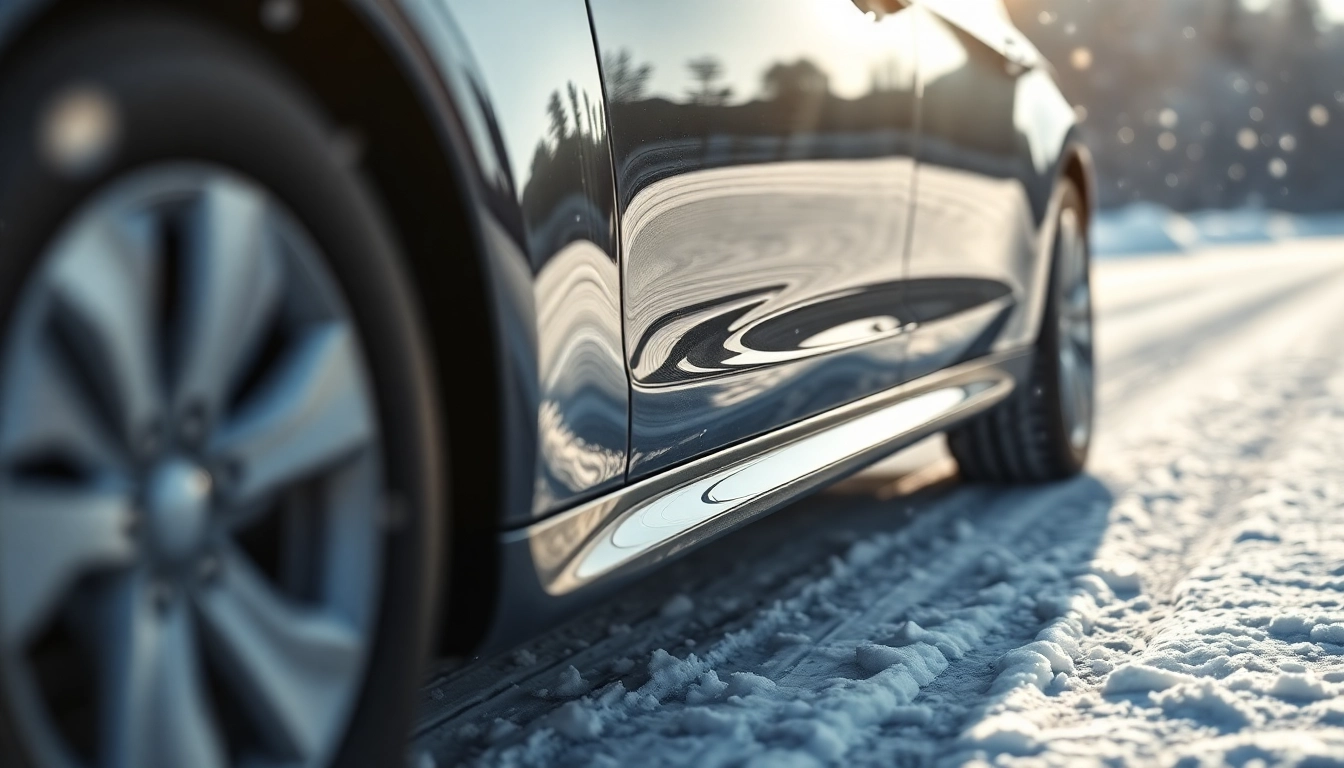
Winter conditions pose significant challenges for vehicle maintenance, particularly due to the use of road salt for de-icing. Salt can corrode metal components and lead to unsightly paint damage. The absorption of moisture by salt not only promotes rust formation but also affects the paint’s integrity. As such, investing in PPF winter road salt protection is crucial for maintaining the appearance and longevity of your vehicle. Protecting your vehicle ensures it remains in excellent condition through harsh weather cycles.
How PPF Works Against Salt Damage
PPF functions as a barrier, preventing road salt from coming into direct contact with the car’s paint. When applied correctly, this film adheres firmly to the surface, blocking contaminants from penetrating the underlying layers. The self-healing properties of high-quality PPF mean that minor scratches and imperfections can disappear over time, keeping the vehicle looking pristine even after exposure to harsh climates. This protective layer can absorb the impacts associated with salty winter roads, ultimately reducing the risk of corrosion and aesthetic damage.
Benefits of PPF in Winter Conditions
Long-term Cost Savings
Investing in PPF may appear costly upfront; however, the long-term savings can be substantial. By effectively shielding your vehicle from corrosion and paint damage caused by road salt, you save on costly repair and repainting expenses. The maintenance associated with PPF is minimal, often requiring occasional washing and inspections to ensure the film’s integrity. Over the years, this preventative measure can significantly enhance your vehicle’s resale value and prolong its lifespan.
Preserving Aesthetic Appeal
A vehicle’s exterior appearance is often a reflection of its owner’s care and attention. PPF aids in maintaining this aesthetic appeal, as it prevents unsightly scratches, chips, and other imperfections. The year-round glossy finish that PPF provides ensures that your car always looks its best, even amidst the harshest winter conditions. Not only does it enhance your vehicle’s appearance, but it also boosts your confidence in your investment.
Protection from Corrosion
Corrosion can be a vehicle owner’s worst nightmare, especially when it stems from winter road conditions. PPF provides a crucial layer of defense against this common issue. By acting as a shield, PPF prevents salt from reaching the vehicle’s metal components, where it can initiate rust formation. This protective film is particularly beneficial for those living in areas where road salt is heavily used, enabling drivers to keep their vehicles safe from the detrimental effects of corrosion year-round.
Choosing the Right PPF for Your Vehicle
Different Types of PPF Available
The market offers a variety of PPF products tailored for different needs and preferences. Some PPF options come with enhanced self-healing properties, which allow the film to repair minor scratches automatically when exposed to heat. Others may prioritize thickness for superior impact resistance. Evaluating your specific requirements, whether for regular city driving or more rugged terrain, will help you select the right type of PPF to suit your needs and lifestyle.
Evaluating Thickness and Durability
One of the key considerations when choosing PPF is its thickness, measured in mils (thousands of an inch). Thicker films typically offer better protection against abrasions and impacts but may be less pliable during installation. The durability factor also comes into play; premium PPF tends to use advanced materials that withstand environmental stressors better, including UV rays and winter elements, while maintaining adhesion throughout its lifespan. Always check product specifications to make an informed decision.
Comparing Brands and Options
As with any product, various brands manufacture PPF with differing claims and technologies. It’s crucial to research and compare these options, seeking reviews and testimonials from users. Features like warranty terms, customer support, and the film’s lifespan can significantly influence your choice. Speaking to professionals in the industry can also provide valuable insights into which PPF brands perform best under specific weather conditions and driving environments.
Installation Process of PPF
Professional vs. DIY Installation
When it comes to installing PPF, there are two primary options: professional installation and DIY. Professional installers bring expertise, specialized tools, and techniques to the table, ensuring a flawless application that maximizes the film’s protective qualities. On the other hand, DIY enthusiasts can save on labor costs but must be prepared for potential challenges, such as measuring and cutting the film accurately. Understanding your skill level and comfort with such tasks will determine the best approach for your situation.
Preparing Your Vehicle
A vital step in the installation process, regardless of the chosen method, is preparing your vehicle. This involves thoroughly washing and detailing the car to remove any dirt, grease, or wax that could impede adhesion. For professional installations, the use of a clean, controlled environment is crucial. If opting for a DIY approach, ensure that you have all necessary supplies, including squeegees, soapy water, and a heat gun, to facilitate a successful application.
Maintenance Tips Post-Installation
Once PPF is installed, regular maintenance will help prolong its lifespan. It’s advisable to refrain from washing the vehicle for at least 24-48 hours after the installation to allow proper curing. After this period, routine washing with pH-neutral car soap will help remove contaminants. Avoid using abrasive materials that could scratch the surface of the film. Regular inspections for any signs of peeling or damage can also ensure that your protective layer remains effective against winter road salt and other elements.
Common Misconceptions about PPF
Cost vs. Value Analysis
Many vehicle owners question whether the cost of PPF is justified. While the initial investment may seem high compared to traditional waxing or even simple paint jobs, the value in terms of protection from costly repairs, enhanced vehicle aesthetics, and the extended lifespan of paint often outweighs these concerns. A thorough cost versus value analysis can often reveal that investing in PPF is a wise choice for long-term vehicle maintenance.
Effectiveness in Harsh Conditions
Some skeptics might doubt the effectiveness of PPF in extreme weather conditions. However, high-quality PPF is specifically designed to withstand the rigors of various environments, including severe cold and exposure to road salt. Rigorous testing has shown many PPFs maintain their protective qualities even in harsh winter climates, keeping vehicles looking pristine and free from damage.
Longevity Expectations for PPF
While PPF does have a lifespan, generally ranging from 5 to 10 years depending on the quality of the film and maintenance, many users have reported that with proper care, the film can last even longer. It’s essential to follow maintenance guidelines and assess the film regularly, keeping an eye out for any signs of wear and tear, ensuring you receive the full benefits of your investment.
FAQs
What is PPF?
PPF stands for Paint Protection Film, a transparent layer that shields the vehicle’s surface from scratches, chips, and road salt damage.
How does PPF help in winter?
PPF acts as a barrier against winter road salt, which can cause corrosion and damage to your vehicle’s paint and surface.
Can I install PPF by myself?
While DIY installation is possible, professional installation ensures optimal results and durability against winter elements.
How long does PPF last?
When properly maintained, PPF can last several years, providing ongoing protection through multiple winter seasons.
Is PPF worth the investment?
Yes, investing in PPF can save money over time by preventing costly repairs and maintaining your vehicle’s appearance.