

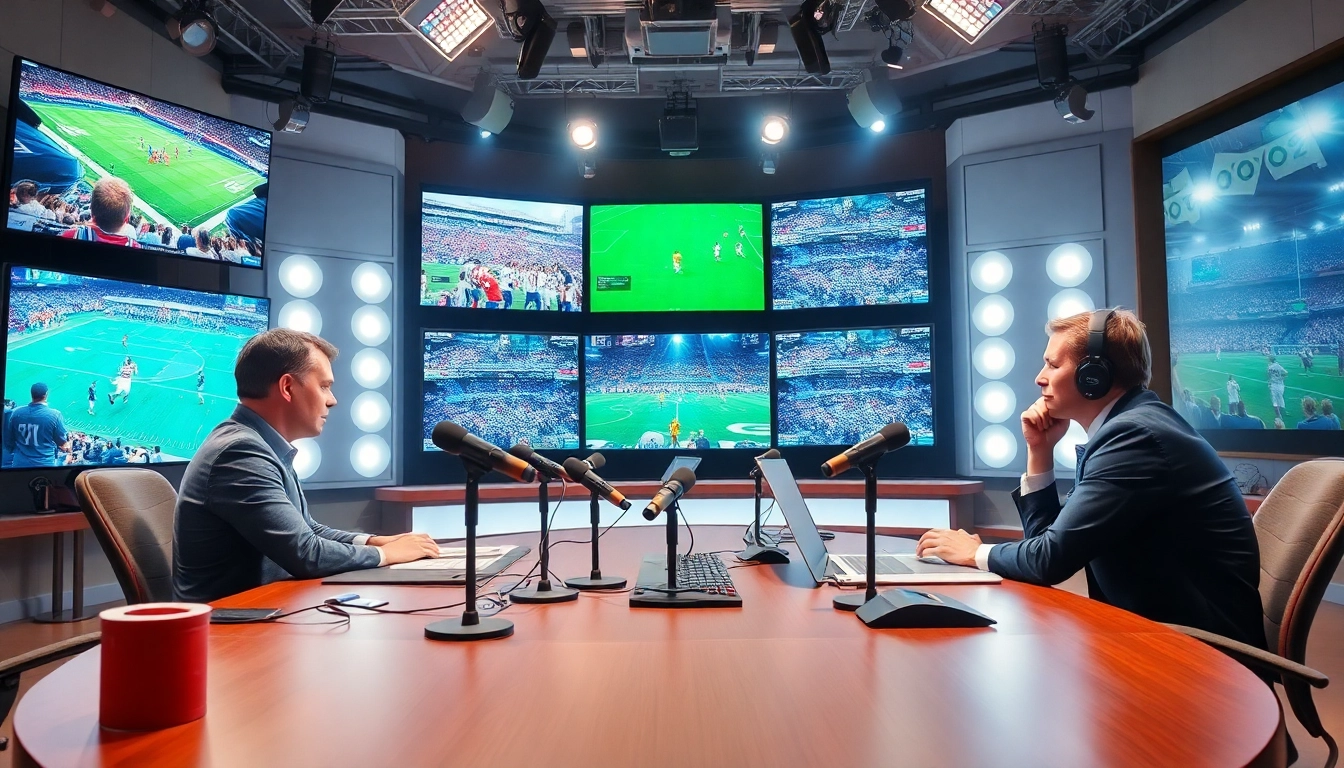
Understanding Sports Broadcasting
What Is Sports Broadcasting?
Sports broadcasting encompasses the transmission of sports events and related content to viewers through various mediums, including television, radio, and the internet. It serves as a bridge connecting sports enthusiasts with live and recorded events, highlighting not only the action on the field but also the narrative surrounding the games. The goal is to create an engaging and informative experience for fans, making the intricacies of sport accessible and exciting.
The Evolution of Sports Broadcasting
The journey of sports broadcasting can be traced back to the early 20th century when radio became the preferred medium. Baseball games were among the first to be broadcast, making them widely popular across the nation. As technology advanced, the introduction of television in the 1950s brought a seismic shift. The combination of visual and auditory storytelling revolutionized how fans consumed sports, creating a sense of community among viewers. With the advent of cable TV, sports broadcasting expanded exponentially, allowing for niche sports and leagues to gain visibility. In recent years, the rise of digital platforms and mobile technology has further transformed the landscape, providing instant access to content anytime and anywhere. The Sports Broadcasting sector continues to adapt to consumer preferences, integrating various technologies to enhance viewer experience.
Key Components of Sports Broadcasting
Several key components form the backbone of effective sports broadcasting:
- Commentary and Analysis: Engaging commentators provide insights and color to the action, helping viewers understand strategies and player performances.
- Camera Work: High-quality visuals that capture every moment are crucial, employing multiple camera angles and slow-motion replays to enhance the viewer experience.
- Graphics and Statistics: On-screen graphics offer real-time stats and information, enriching narratives and providing context to the viewers.
- Storytelling: Crafting compelling stories around teams, players, and rivalries maintains audience interest and fosters emotional connections.
Technology in Sports Broadcasting
Role of Streaming Services
The rise of streaming services has dramatically reshaped how sports content is delivered. Traditional cable subscriptions are declining as audiences favor the flexibility and convenience provided by platforms that allow live streaming and on-demand viewing. Services such as online sports networks enable viewers to watch games on various devices seamlessly, expanding reach and accessibility. This shift has encouraged broadcasters to innovate and invest in high-quality streaming technology, ensuring reliable live broadcasts even during peak demand.
Innovative Broadcasting Equipment
Advancements in broadcasting equipment have also played a pivotal role in enhancing the viewing experience. High-definition cameras and robotic camera systems provide stunning visual clarity and dynamic shots, while drones deliver unique aerial perspectives of games. Additionally, audio equipment innovations ensure that sounds from the field, such as player discussions and crowd cheers, come through clearly, immersing viewers in the atmosphere.
Impact of Virtual Reality and Augmented Reality
Virtual Reality (VR) and Augmented Reality (AR) technologies are revolutionizing audience engagement in sports broadcasting. VR allows viewers to experience games from unique vantage points, making them feel as if they are part of the crowd. Meanwhile, AR enriches live broadcasts with interactive elements, such as player stats displayed on-screen during the action. As these technologies advance, they are likely to become standard in sports coverage, providing fans with unprecedented levels of interaction and immersion.
Strategies for Effective Sports Broadcasting
Engaging the Audience
Building and maintaining viewer engagement is critical for successful sports broadcasting. Creative programming, interactive segments, and engaging commentary are essential components. Polling the audience during broadcasts or integrating user-generated content can enhance engagement by fostering community participation. Tailoring broadcasts to suit the audience’s preferences—such as offering alternative commentary options—can also increase satisfaction and retention rates.
Storytelling in Sports Coverage
Storytelling is integral to effective sports broadcasting. Beyond the live-action, captivating narratives around players, teams, and historic moments resonate with viewers. Documenting player journeys, rivalries, and the emotional highs and lows inherent in sports can create deeper connections with the audience. Using teasers, analyst discussions, and behind-the-scenes footage enriches this narrative and keeps fans engaged long after the final whistle.
Utilizing Social Media for Engagement
Social media is a powerful tool for enhancing audience engagement in sports broadcasting. Broadcasters can leverage platforms like Twitter, Instagram, and Facebook to interact with fans in real-time, share exclusive content, and promote discussions. Creating dedicated hashtags allows viewers to connect, share experiences, and participate in conversations surrounding events. Moreover, real-time highlights shared on social media can draw audiences back to full broadcasts, increasing overall viewership.
Performance Metrics in Sports Broadcasting
Assessing Viewership and Ratings
To evaluate the effectiveness of sports broadcasts, networks and producers rely on performance metrics such as viewership numbers and audience ratings. These metrics offer valuable insights into viewer preferences and behaviors, helping teams refine their offerings. Tools such as Nielsen ratings provide quantitative data on audience demographics, enabling broadcasters to tailor content to suit their primary consumer base effectively.
Analyzing Viewer Feedback
In addition to quantitative metrics, qualitative viewer feedback is crucial for improving broadcast quality. Surveys, focus groups, and social media interactions provide insights into viewer satisfaction and areas needing enhancement. Analyzing this feedback allows broadcasters to make informed decisions about content, presentation style, and audience engagement strategies, ultimately leading to improved viewer experiences.
Improving Broadcast Quality Through Metrics
The data collected from viewership metrics and viewer feedback should signal the refinement of distribution strategies. By continuously analyzing performance data, broadcasters can identify trends, enhance production quality, and make strategic adjustments to their content delivery. For instance, if a particular segment garners significant viewer engagement, broadcasters may prioritize that format or style in future shows, ensuring that they meet audience demands.
Future Trends in Sports Broadcasting
Personalization and Interactive Viewing
The future of sports broadcasting is leaning towards enhanced personalization and interactivity. Leveraging data analytics allows broadcasters to tailor content based on individual viewer preferences, meaning customized recommendations can be offered for specific sports or teams. Interactive features, such as live stats tracking and customizable viewing options, are expected to become more prevalent, providing viewers with a unique, personalized experience.
The Rise of E-Sports Broadcasting
The e-sports explosion has opened new frontiers in sports broadcasting. As millions of viewers tune in to watch competitive gaming events, traditional sports broadcasters are increasingly venturing into this realm. Live streaming e-sports tournaments attracts younger audiences, who prefer engaging with dynamic, fast-paced content. Traditional frameworks are adapting to accommodate this shift, offering dedicated channels and programming to cater to e-sports enthusiasts.
Sustainability in Sports Broadcasting Practices
As awareness of environmental impact grows, sustainability has become an essential consideration in sports broadcasting. From reducing carbon footprints associated with production to using renewable energy sources in broadcasting facilities, strategies are evolving to ensure sustainable practices. Broadcasters can implement eco-friendly materials for event setups and encourage viewers to adopt sustainable behaviors through dedicated segments, contributing to a holistic approach in the industry.
Frequently Asked Questions
What is the primary purpose of sports broadcasting?
The primary purpose is to connect fans with live sports events, providing commentary, analysis, and storylines that enhance viewing experiences.
How has technology changed sports broadcasting?
Technology has introduced streaming, high-definition visuals, and interactive content, enhancing accessibility and viewer engagement.
Why is social media important in sports broadcasting?
Social media enhances audience engagement by allowing real-time interaction, exclusive content sharing, and creating community around events.
What metrics are essential for assessing broadcast performance?
Key metrics include viewership numbers, audience ratings, and qualitative viewer feedback that inform content and delivery improvements.
What trends are shaping the future of sports broadcasting?
Future trends include personalized viewing experiences, interactive content, and the rise of e-sports broadcasting, alongside sustainability efforts.